
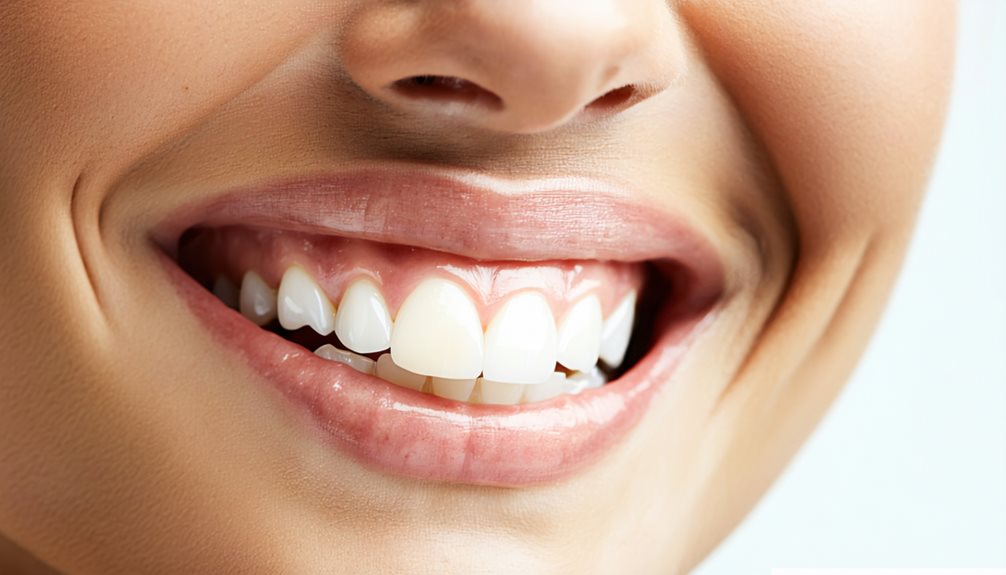
Considering cost-effective dental implants involves balancing affordability with quality outcomes. The variability in implant types, procedure complexities, and geographic pricing requires careful assessment to avoid excessive expenses. Opting for economical solutions can greatly reduce long-term dental costs due to the longevity and minimal maintenance of implants compared to traditional dentures. Financing options such as monthly payments and flexible terms can make advanced dental care accessible without financial strain. Additionally, leveraging technological advancements, like CAD/CAM systems, can optimize treatment efficiency while maintaining high standards. Exploring these factors can guide you toward making an informed decision about dental implant investments.
Understanding Dental Implant Costs
The cost of dental implants can vary considerably, influenced by a multitude of factors that require careful consideration. These factors include the type of dental implant selected, the complexity of the procedure, and the geographic location of the dental practice.
Dental implant types range from endosteal implants, which are placed directly into the jawbone, to subperiosteal implants that rest on top of the jawbone but under the gum tissue. Each type presents unique clinical challenges and material costs, contributing to the overall pricing structure.
Furthermore, the extent to which insurance coverage can mitigate expenses is a critical consideration. While some dental plans may partially cover the costs associated with implants, many categorize them as elective procedures, thus limiting financial support.
Patients seeking innovative solutions must, consequently, navigate the intricacies of their insurance policies to maximize potential benefits.
In addition, advances in implant technology, such as computer-aided design and manufacturing (CAD/CAM) systems, have introduced efficiencies that could potentially reduce costs over time.
Understanding these variables is essential for patients and practitioners alike, ensuring informed decision-making that aligns with both clinical efficacy and financial constraints. The dynamic nature of implantology demands a nuanced appreciation of these cost determinants.
Benefits of Affordable Implants
Affordable dental implants offer significant advantages, including long-term financial savings by reducing the need for recurrent dental procedures associated with traditional dentures.
These implants contribute to improved oral health by preserving jawbone integrity and preventing the shifting of adjacent teeth, which can lead to further dental complications.
Additionally, they enhance the overall quality of life by restoring functionality and aesthetics, thereby improving speech, eating capabilities, and self-esteem.
Long-Term Financial Savings
Investing in dental implants can lead to significant long-term financial savings, a consideration often overlooked in the initial cost assessment.
While the upfront cost may seem intimidating, the strategic view of dental implants as long-term investments reveals compelling budget planning advantages.
Patients who choose dental implants over traditional dentures or bridges experience a reduction in recurrent costs due to their durability and permanence. The absence of frequent replacements or repairs translates into substantial savings over time.
Consider the following points to illuminate these savings:
-
Longevity: Dental implants are designed to last a lifetime with proper care, unlike dentures that typically require replacement every 5-7 years.
-
Maintenance Costs: The need for special adhesives or cleaning agents is eliminated, reducing ongoing expenses associated with removable options.
-
Associated Health Costs: By preserving jawbone integrity, implants prevent bone loss, potentially reducing future health expenses related to bone degradation.
-
Quality of Life: The enhanced functionality and aesthetic appeal of implants may lead to increased professional opportunities and personal satisfaction, indirectly influencing financial well-being.
Improved Oral Health
Dental implants offer numerous advantages over traditional dental solutions, particularly concerning promoting improved oral health. Their design closely mimics natural tooth structure, which facilitates a more effective mastication process, essential for maintaining ideal oral hygiene.
Unlike conventional dentures, dental implants do not require adhesives or complex cleaning regimens, thereby simplifying daily oral care routines. This reduction in complexity contributes to enhanced oral hygiene by minimizing bacterial accumulation, which is often exacerbated by ill-fitting dentures or bridges.
Furthermore, dental implants play a significant role in preserving gum health. The nature of implants involves osseointegration, where the titanium post fuses with the jawbone, providing stable support akin to natural tooth roots. This integration prevents bone resorption, a common issue in edentulous patients, thereby maintaining the integrity of the jawbone and surrounding gum tissue.
By promoting a stable environment, implants alleviate the onset of periodontal issues often associated with missing teeth. Additionally, the precise fit of dental implants guarantees minimal irritation to the gums, reducing the risk of inflammation, which is essential for sustaining gum health.
Consequently, affordable dental implants not only restore function and aesthetics but also greatly enhance overall oral health by supporting both oral hygiene and gum health.
Enhanced Quality of Life
The transformative impact of dental implants on quality of life is profound, particularly when considering the affordability of modern solutions. These cutting-edge innovations provide a significant improvement in daily living through various enhancements.
Dental implants offer a robust alternative to traditional dentures or bridges, focusing on durability and functionality. The following are vital benefits of affordable dental implants:
-
Improved Confidence: Dental implants closely mimic natural teeth in both appearance and function, which can greatly enhance self-esteem. Patients often report a renewed willingness to engage socially and professionally without hesitation.
-
Enhanced Comfort: Unlike removable dentures, implants become a permanent fixture, providing stability and reducing discomfort. This integration into the jawbone eliminates the irritation and movement associated with traditional dentures.
-
Preservation of Oral Structure: Implants stimulate the jawbone, preventing bone loss and maintaining facial structure. This preservation is essential for long-term oral health and aesthetic appearance.
-
Unrestricted Diet: With their secure fit and functional design, dental implants allow individuals to enjoy a varied and unrestricted diet, improving nutritional intake and overall well-being.
Finding Quality Yet Affordable Options
Maneuvering the landscape of dental implant options requires a strategic approach to guarantee both quality and affordability are achieved. The pursuit of affordable solutions should not compromise the integrity of the procedure or the long-term success rates of dental implants.
Integrating quality care with cost-effective strategies necessitates a thorough understanding of the market dynamics and a keen eye for innovative practices that reduce costs without sacrificing standards.
To identify quality yet affordable options, one should consider clinics that leverage advanced technologies such as digital imaging and CAD/CAM systems.
Additionally, seeking providers who adopt evidence-based practices can guarantee that patients receive state-of-the-art care without unnecessary expenditures.
Cost-conscious patients should also explore clinics offering extensive treatment plans, which may include bundled services or payment plans that distribute costs over time.
Collaboration with dental schools can be an advantageous route, as these institutions often provide services at reduced rates under the supervision of experienced professionals.
Comparing Implant Materials
Selecting the appropriate implant material is a critical decision that considerably influences the success and longevity of dental implants.
- Biocompatibility: Titanium implants are renowned for their excellent biocompatibility, promoting osseointegration.
Ceramic implants, typically zirconia-based, also exhibit outstanding tissue compatibility, appealing to patients with metal sensitivities.
-
Aesthetics: Ceramic implants provide superior aesthetic outcomes due to their tooth-like color, eliminating the risk of metal show-through, a concern with titanium, particularly in patients with thin gingival biotypes.
-
Mechanical Properties: Titanium implants boast superior tensile strength and flexibility, making them suitable for a wide range of clinical scenarios.
In contrast, ceramic implants, while strong, are more brittle, necessitating careful consideration of occlusal forces.
- Corrosion Resistance: Titanium exhibits exceptional resistance to corrosion in the oral environment, whereas ceramic implants are entirely immune to corrosion, offering a distinct advantage regarding longevity and biocompatibility.
Financing and Payment Plans
In the pursuit of making dental implants financially accessible, patients can explore a range of financing options designed to accommodate various budgets.
Affordable monthly payment plans are available, providing manageable installments that ease the financial burden while ensuring timely treatment.
Additionally, flexible payment terms and low-interest financing solutions are structured to reduce overall costs, allowing patients to invest in their oral health without compromising financial stability.
Affordable Monthly Options
Maneuvering the financial landscape of dental implants can be challenging, but affordable monthly options are increasingly available to alleviate the burden of upfront costs.
Affordable financing solutions allow patients to seamlessly integrate dental care into their financial planning without compromising quality. By adopting strategic budget planning, individuals can access innovative dental technologies without the immediate financial strain. Monthly payment plans offer a practical approach to managing expenses while prioritizing oral health.
Consider the following benefits of affordable monthly options:
-
Predictable Payments: Establishing a fixed monthly payment plan guarantees financial predictability, allowing patients to manage their budgets effectively and avoid unexpected expenses.
-
Access to Advanced Procedures**: With budget-friendly financing**, patients are empowered to choose cutting-edge dental implants, leveraging state-of-the-art technology that might otherwise be financially out of reach.
-
Reduced Initial Outlay: By spreading the cost over time, patients can bypass the substantial initial investment, making dental implants more accessible to a broader demographic.
-
Enhanced Financial Flexibility****: Monthly options provide the flexibility necessary to balance other financial commitments, ensuring that dental health does not take a backseat to other monetary responsibilities.
These affordable monthly options represent a progressive step towards democratizing access to premium dental care, guaranteeing all patients benefit from the latest innovations in implant technology.
Flexible Payment Terms
Maneuvering flexible payment terms for dental implants involves understanding the various financing and payment plans available to patients. Dental practitioners and financial institutions collaborate to offer innovative solutions that reduce financial strain while maintaining the integrity of dental care.
Flexible financing options are designed to adapt to the unique economic circumstances of each patient, enabling access to advanced dental procedures without prohibitive upfront costs.
Key strategies include the structuring of manageable payments that accommodate an individual’s budgetary constraints. This often involves dividing the total cost into smaller, periodic installments that align with the patient’s financial capabilities. Such plans can be customized to fit within a patient’s income flow, promoting accessibility to dental implants while minimizing economic disruption.
In addition, technological advancements in financial platforms have facilitated more dynamic and transparent payment processes, allowing for real-time adjustments and tracking. This guarantees patients remain informed and engaged with their financial commitments.
Low-Interest Financing
Securing low-interest financing for dental implants can considerably ease the financial burden on patients seeking these essential procedures. Dental implants, while transformative, often come with significant upfront costs, making low-interest options a crucial consideration for many. These financing solutions provide patients with the ability to manage payments over time, without the stress of exorbitant interest rates.
The financing benefits of such options are numerous:
-
Reduced Financial Strain: Low-interest rates minimize the overall cost of borrowing, allowing patients to focus on their health rather than their budget.
-
Enhanced Accessibility: More patients can access advanced dental procedures, democratizing healthcare innovations and ensuring broader community health benefits.
-
Improved Cash Flow Management****: Spreading payments over several months or years can enhance cash flow, enabling patients to allocate funds to other essential needs without compromising their dental health.
-
Flexible Payment Structures: Patients benefit from varied financing plans tailored to individual financial situations, fostering an environment of personalized care.
Clinicians and financial institutions offering these low interest options stand at the forefront of healthcare innovation, bridging the gap between cost and care.
As dental technology advances, so too must the financial strategies that support patient access to these crucial treatments.
Choosing the Right Dentist
When commencing the journey to obtain dental implants, selecting the right dentist is a critical step that can greatly impact the success and longevity of the procedure. A thorough evaluation of dentist credentials is paramount. This involves verifying that the dentist holds appropriate qualifications, such as a Doctor of Dental Surgery (DDS) or Doctor of Dental Medicine (DMD) degree, and has completed specialized training in implant dentistry.
Membership in professional organizations, like the American Academy of Implant Dentistry, can further attest to a dentist’s commitment to staying abreast with the latest advancements and techniques in the field.
Patient reviews serve as an invaluable resource for appraising a dentist’s expertise and patient care quality. Reviews often highlight personal experiences, providing insight into the dentist’s proficiency, bedside manner, and the overall satisfaction with the results. Analyzing recurring themes in reviews can reveal potential strengths and weaknesses, guiding patients in making informed decisions.
Ultimately, the decision should be driven by a combination of verified credentials and positive patient experiences. By meticulously selecting a dentist who marries technical expertise with innovative approaches, patients can enhance the likelihood of a successful, cost-effective dental implant procedure.
Frequently Asked Questions
How Long Do Dental Implants Typically Last?
Dental implants typically last 15 to 25 years, contingent upon implant longevity factors such as bone quality, surgical expertise, and patient-specific conditions. Proper maintenance techniques, including regular dental check-ups and ideal oral hygiene, greatly enhance their lifespan and functionality.
What Are the Potential Risks of Dental Implant Surgery?
Dental implant surgery carries potential risks including surgical complications such as infection or nerve damage, and implant rejection due to inadequate bone integration. Advanced techniques and materials aim to mitigate these risks, promoting successful outcomes in innovative dental practices.
Can Dental Implants Improve Overall Oral Health?
Dental implants can considerably enhance oral health by promoting ideal oral hygiene and supporting gum health. They prevent bone loss, stabilize neighboring teeth, and facilitate effective cleaning routines, thereby fostering a sustainable environment for innovative dental care advancements.
Are There Specific Dietary Restrictions After Getting Implants?
Post-implant, dietary restrictions focus on soft foods to facilitate ideal tissue integration and reduce stress on the implant site. This precautionary measure supports the healing process, enhancing osseointegration and ensuring long-term success of the dental restoration.
How Do Dental Implants Affect Speech and Pronunciation?
Dental implants enhance speech clarity and pronunciation improvement by providing stable support for oral structures. This stability minimizes slippage and allows for more precise articulation, fostering improved phonetic accuracy and facilitating effective communication in individuals seeking innovative oral rehabilitation solutions.
Conclusion
In summary, evaluating cost-effective dental implants necessitates a thorough understanding of the factors influencing implant costs, including material selection and dentist expertise. Affordable implants offer significant benefits, such as improved oral health and enhanced aesthetics, while maintaining economic feasibility. Identifying quality yet affordable options requires diligent research and comparison of implant materials. Additionally, exploring various financing and payment plans can facilitate accessibility. Ultimately, selecting an experienced dentist is essential to guarantee the success and longevity of dental implants.

